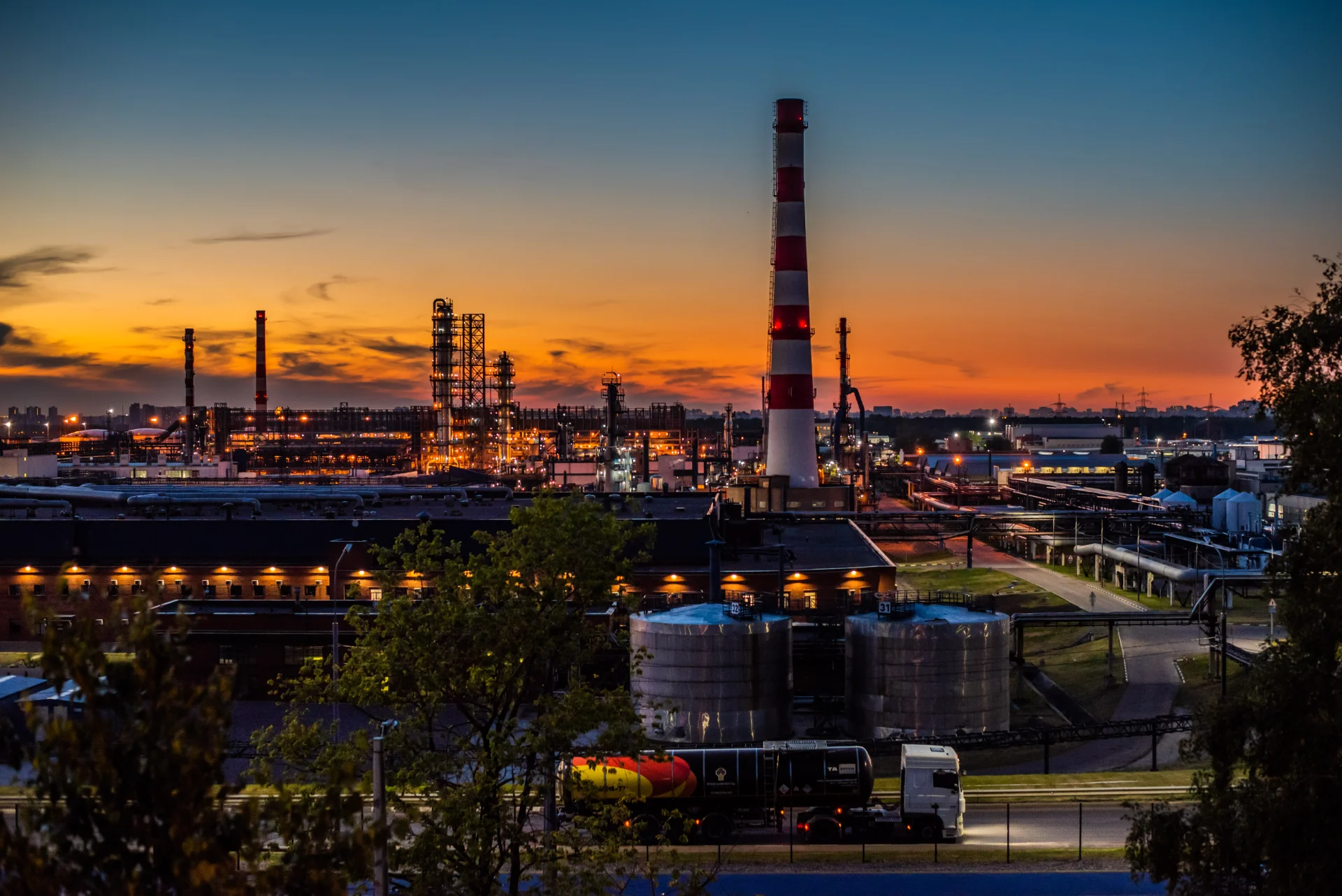
At Rosneft stations in Russia’s Karelia region, drivers could buy up to 30 liters of gasoline in cities and 50 on highways as limits returned in early November. Russia had pumped more crude oil in October than in September, according to the International Energy Agency. The problem facing drivers was farther down the supply chain, where refineries turn crude into fuel.
“As of today, we have disabled more than 55% of Russia’s oil refining capacity,” President Volodymyr Zelenskyy said in his Sunday address, citing a report from Ukrainian Major General Mykhailo Drapatyi. Zelenskyy calls those strikes “long-range sanctions.” Reuters could not independently verify his estimate. There is evidence of pressure at the pump and on trading floors, even without agreement on how much capacity is out of use.
The limits drivers encountered
Karelia’s governor confirmed the regional purchase caps on November 8, Meduza reported. In Krasnoyarsk, drivers reported different limits depending on the grade, with 30 liters for higher-octane gasoline and 50 liters for the lower grade. The limits varied between regions and stations.

The caps are a local response with a purpose a driver can see. A station can spread available fuel among more motorists by limiting what each one buys. That does little for someone who needs more fuel for a long trip, and the cap does not say how much gasoline Russia has in storage. It tells you a retailer was managing how quickly fuel left its pumps.
In the week ending November 13, wholesale gasoline trading on the St. Petersburg commodity exchange fell 31 percent from the previous week, from 76,740 metric tons to 52,980, Reuters reported. That measures trading on one exchange. The International Energy Agency separately reported that attacks on refineries had cut Russian diesel supplies to international markets.
Russia already had a ban on most aviation fuel exports under a decree that took effect in June and runs through November 30. The measure predates the latest strikes. It is one of the limits in place as Moscow tries to keep fuel available to domestic users.
Crude and finished fuel are different inventories. Even if oil production holds up, a refinery running below capacity makes less fuel available for sale. A wholesale exchange can register lower trading volumes before the full effect reaches any one station. At retail, the outcome depends on what grades each outlet can get and how quickly it can replace them.
Two estimates of refinery damage
Two industry sources told Reuters on November 10 that plants disrupted by attacks represented about 30 percent of Russia’s normal processing capacity. The sources separately estimated that the amount of crude actually processed could have fallen as much as 200,000 metric tons a day from about 700,000 at the end of October. The first figure concerns how much the facilities can process. The second estimates how much they ran.
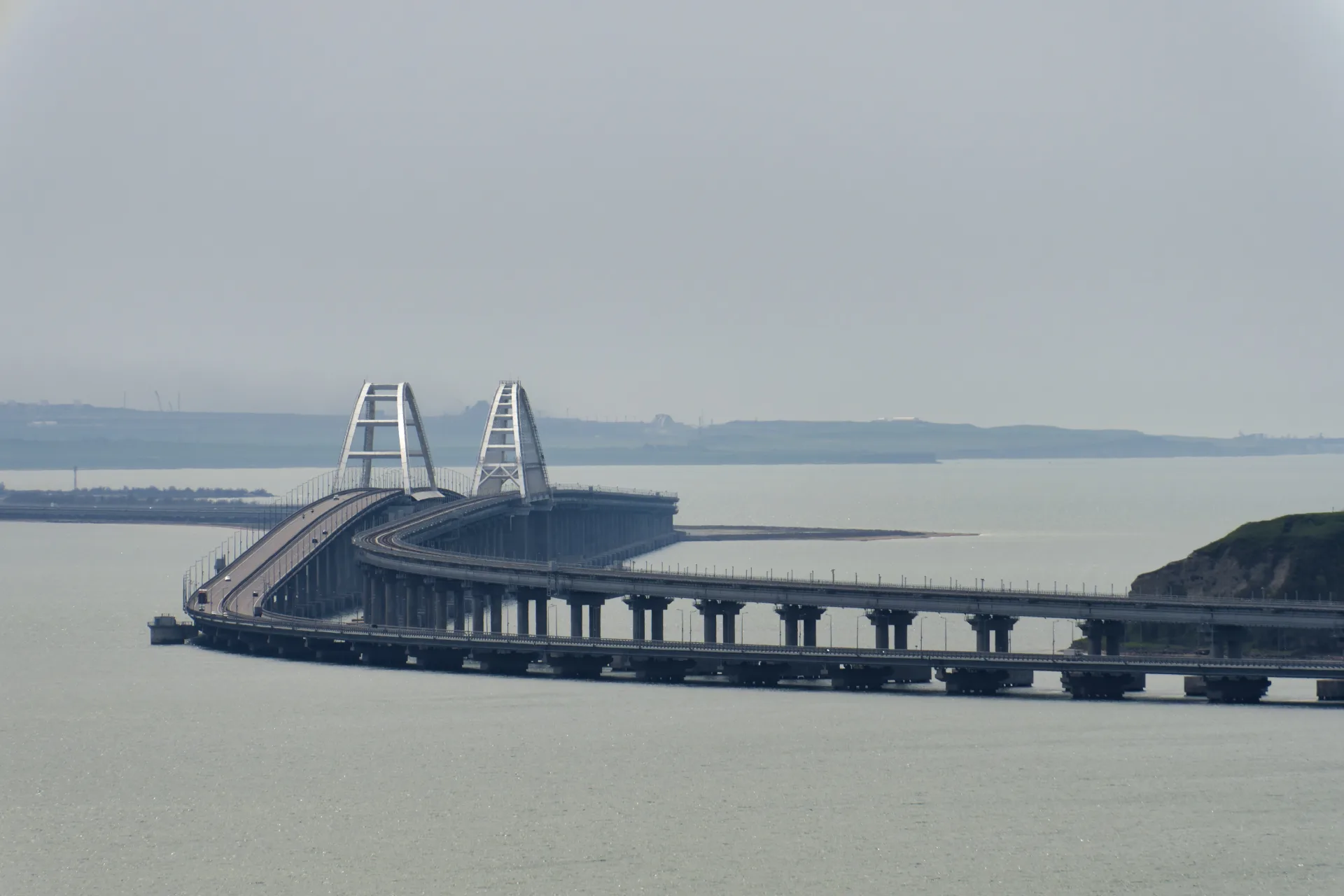
A refinery can be hit and keep part of its equipment running. YAC News counted 11 refineries struck since October 30. The count does not tell us how many shut down. At Kirishi, Russia’s second-largest refinery, the regional governor confirmed a fire after the overnight November 8–9 strike, according to Reuters. The public reports do not establish how much capacity that facility had restored by Monday. Russian officials also acknowledged a strike on the Crimean Bridge that day, a separate disruption to a major road and rail link.

Ukrainian military intelligence estimated earlier this month that replacing damaged equipment could cost Russia more than $20 billion, according to UNITED24. That is an estimate from one side of the war, and no independent accounting has confirmed the amount. The figures to watch over the coming weeks are how much crude the refineries can run, whether wholesale gasoline volumes recover and how long stations keep limiting sales.