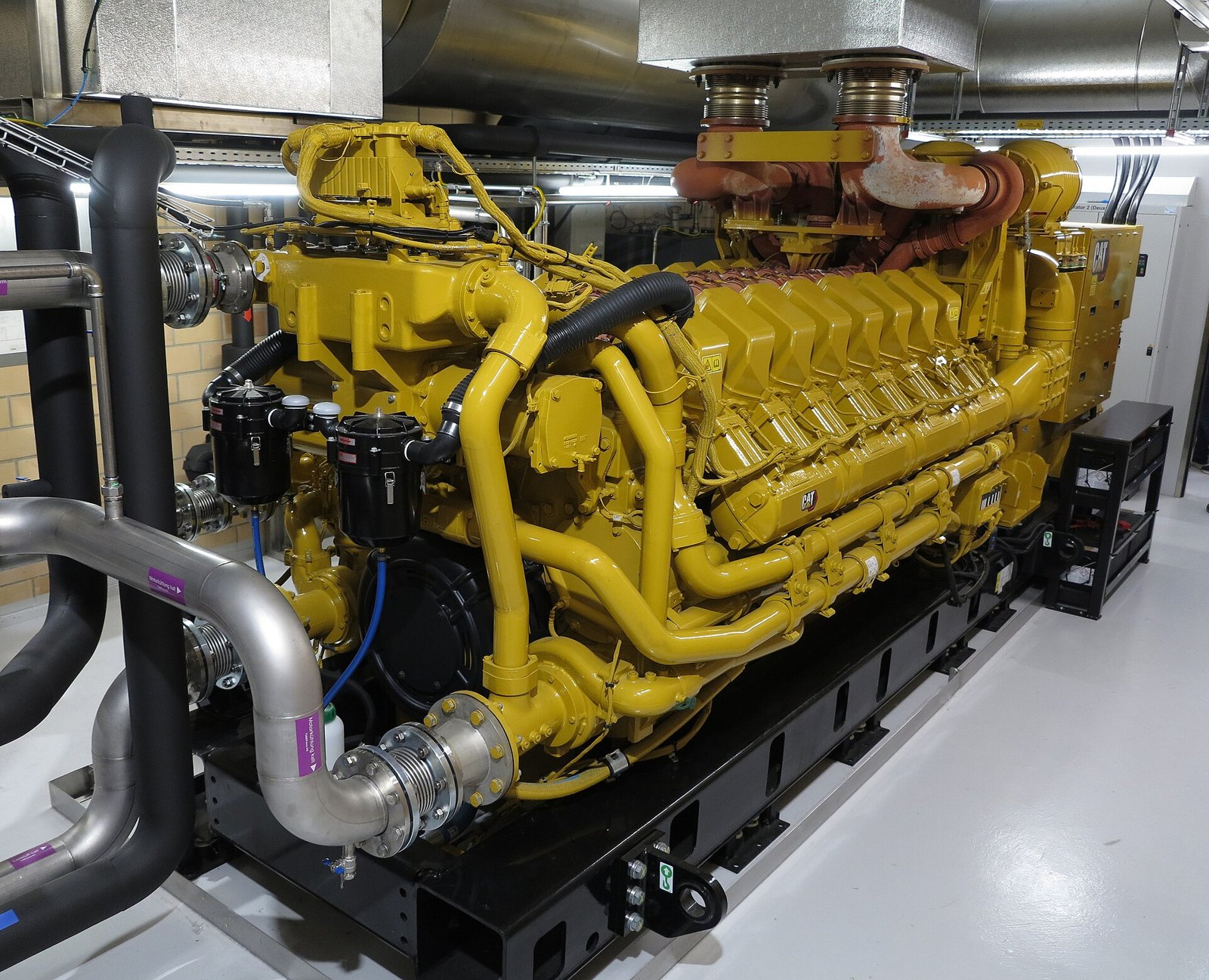
Crusoe, which builds data centers and rents computing capacity, secured a $700 million lending arrangement on October 22 to buy gas generators. Neuberger Specialty Finance will lend against recently ordered power equipment for Crusoe-owned sites. Financing announcement
The arrangement gives a lender identifiable machinery to finance before that machinery supplies electricity to an AI customer. It separates the cost of buying equipment from the continuing expense of keeping it running. A generator purchase still leaves someone responsible for fuel, maintenance and delivering usable power.
Neither company disclosed the facility’s interest rate, maturity, amount already borrowed or financed generating capacity in their announcement. Crusoe cited more than 6 gigawatts of gross infrastructure capacity under contract across its broader business. Those figures describe different scopes. Financing announcement
Dividing $700 million by that global capacity would therefore give a misleading equipment cost per megawatt. The numerator covers a particular financing arrangement; the denominator covers a company portfolio. Without the purchased equipment’s capacity and total purchase price, readers cannot calculate either its installed cost or how much of that cost the lender covers.
A generator and its fuel supply require separate decisions
Crusoe describes its approach as building power and computing infrastructure in parallel. Its energy page says the company selects sites around accessible power and combines different energy sources. Financing generators fits that approach by allowing equipment procurement to proceed alongside development of the buildings that will use it. Crusoe energy
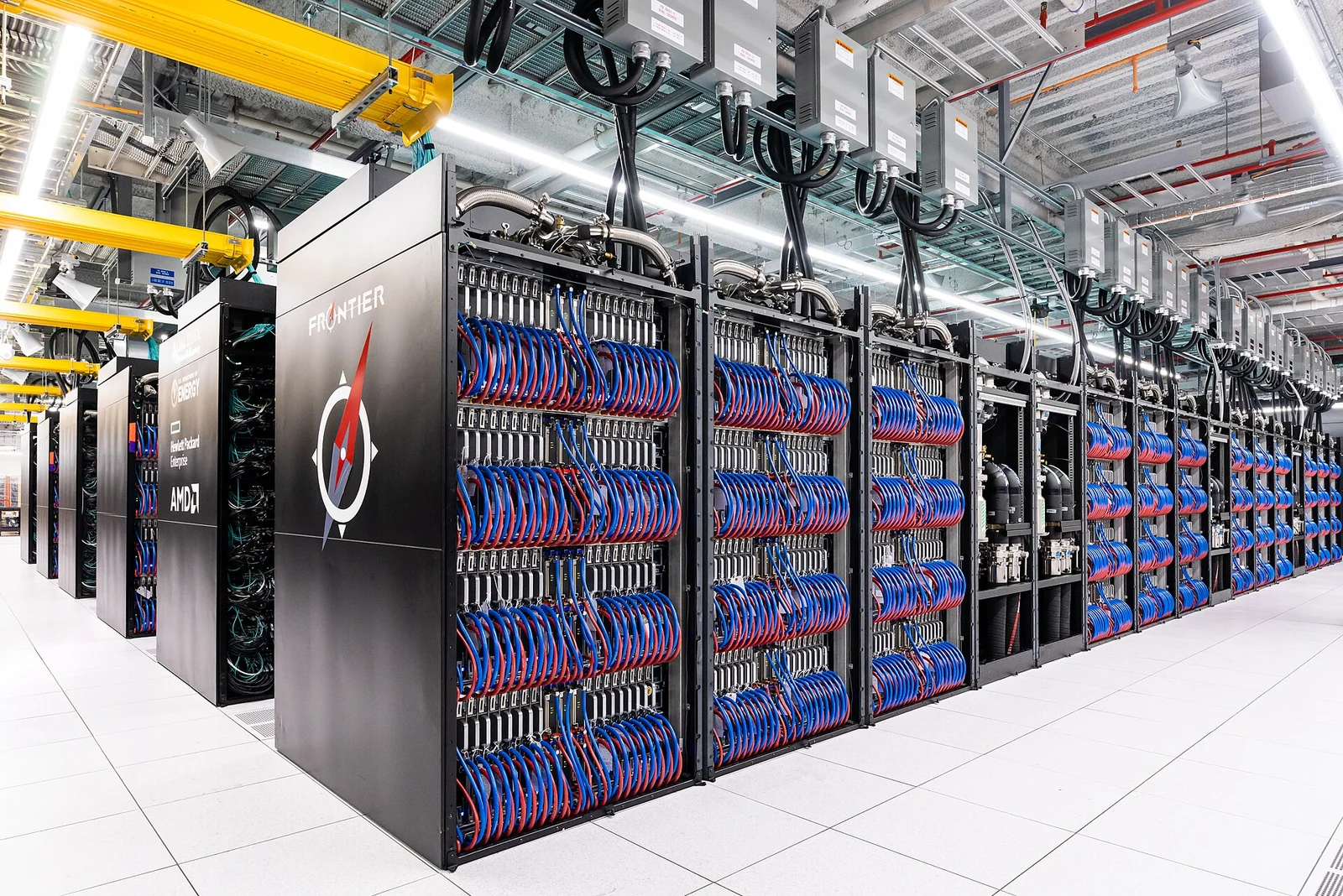
For a customer waiting to train a model, the relevant delivery date is when the complete computing service works. A generator’s arrival can advance that schedule only if fuel supply, electrical connections, cooling and computing hardware are ready too. Fuel agreements and schedules for testing the completed equipment would show whether the electricity supply can keep pace with installation of the computers.
Federal energy regulators raised the fuel question explicitly this week. The Federal Energy Regulatory Commission’s agenda for its October 21 reliability conference asked how utilities account for gas-fired generators serving customers on site when those generators share a pipeline with power plants serving the grid. It also asked how providers secure fuel for data centers’ sustained electricity demand. Conference agenda
A shared pipeline creates a connection between two power systems even when their electrical arrangements differ. A project seeking independence from a utility’s construction schedule still needs dependable fuel deliveries. Assessing that project therefore requires examining gas transportation and supply commitments alongside its generator order. The conference agenda identifies questions for discussion, rather than findings about Crusoe’s equipment or customers. Conference agenda
That distinction affects the cost comparison. A buyer comparing an on-site power offer with utility service needs a price covering equipment financing, fuel and operation over the same period. A lower upfront equipment payment can coexist with higher recurring expenses. The disclosed facility contains too little pricing information to determine which option is cheaper at any Crusoe site.
A grid connection changes which rules apply
The Environmental Protection Agency drew a narrower boundary in July guidance on its Acid Rain Program. It said generating facilities disconnected from a public grid, described as islanded, fall outside that program under its interpretation. EPA also said connecting such a facility to the grid later could bring it within the program. EPA guidance
A generator behind a customer’s meter describes where electricity is supplied and measured. An islanded facility describes an electrical separation. Treating those descriptions as interchangeable would overstate what the guidance establishes. EPA’s announcement addresses one federal program, so it cannot by itself establish the complete permitting cost or operating conditions for a particular site. EPA guidance
Other equipment rules also matter. EPA’s January 2026 fact sheet on stationary combustion turbines, one type of generating equipment, describes nitrogen-oxide limits that vary with turbine characteristics and operating conditions. Crusoe’s financing announcement does not identify generator models or site permits. Applying a particular turbine limit to this purchase would require those additional facts, including whether the equipment is a turbine at all. Turbine rules
EPA also offers an optional temporary category for qualifying small and medium stationary turbines. A unit using that category that remains in place for more than 24 months loses temporary status for its entire operation under the described framework. Replacing it with another temporary unit does not restart that allowance. Equipment type and expected operating period can therefore affect the conditions a developer must plan around. Turbine rules Category correction
Grid-connected arrangements bring a separate set of questions. In June, FERC directed six regional grid operators to justify or revise rules for connecting large electricity users. The commission identified co-location, generation behind a meter and protecting other customers from inappropriate costs among the issues requiring attention. These proceedings concern access to a shared system whose expenses extend beyond any one equipment purchase. Grid rules
Crusoe is pursuing more than one source of power
On the same day as the financing announcement, Crusoe disclosed a different development in Paraguay. Its partnership with Araico would place computing infrastructure near an Itaipú substation and use hydroelectric power. Araico would handle local development and site infrastructure; Crusoe would supply and operate the computing systems for its cloud service. Paraguay announcement
The partners target an initial deployment in mid-2027, with a path to 106 megawatts of IT capacity and longer-term options for approximately 280 megawatts total. These are development plans. They give a timetable and responsibilities that the generator-financing release lacks, while requiring readers to distinguish an initial opening from later expansion. Paraguay announcement
Choosing among gas generation, existing hydroelectric supplies and grid service also changes what the developer must arrange. The gas project needs continuing fuel delivery. The Paraguay plan depends on local infrastructure and access to an existing energy source. Combining their capacity numbers into a single pipeline total would conceal those different construction and operating requirements.
National energy modeling helps explain why those distinctions matter. In a March analysis, the U.S. Energy Information Administration examined faster electricity-demand growth while holding planned generating capacity unchanged. Its higher-demand case assumed greater gas consumption and a higher delivered gas price. The agency presented a scenario, based on its February outlook, rather than an observation of Crusoe’s costs. EIA scenario
The model tests a situation in which customers want more electricity before additional plants can be built. Under those assumptions, existing generators work harder and fuel costs change. A developer adding dedicated generation changes part of that comparison, but evaluating the benefit still requires the plant’s actual output, fuel terms and service date. EIA scenario
For the new Crusoe facility, the next useful disclosures would identify financed equipment, generating capacity, delivery dates and borrowing terms. For Paraguay, the observable milestone is the planned mid-2027 opening. Those records would let customers and lenders compare what each development has financed, what can supply power and when that power can support a paying computing customer.
Common questions
Who is providing the $700 million financing?
Neuberger Specialty Finance, a specialty-lending platform of Neuberger. Financing announcement
What equipment secures the facility?
Recently ordered power-generation equipment for Crusoe-built and Crusoe-owned AI data centers. Financing announcement
Have the interest rate and repayment date been disclosed?
The joint announcement gives neither. It also omits the amount already borrowed. Financing announcement
How many megawatts will the financing buy?
The announcement does not specify the financed equipment’s generating capacity. Financing announcement
Why is a gas pipeline relevant to an on-site generator?
Gas-fired equipment needs fuel. FERC’s October 21 agenda asks how generators serving data centers and grid plants sharing a pipeline interact. Conference agenda
Does behind-the-meter power mean a facility is disconnected from the grid?
Those descriptions answer different questions. EPA’s islanded-power guidance concerns facilities disconnected from a public grid. EPA guidance
Does EPA’s islanded-power guidance cover every environmental requirement?
It addresses the Acid Rain Program. EPA separately publishes emissions requirements for stationary combustion turbines. EPA guidance Turbine rules
Is Crusoe’s Paraguay computing site operating?
Crusoe targets an initial deployment in mid-2027. Its October 22 announcement describes a development partnership with Araico. Paraguay announcement
What does IT capacity measure in the Paraguay announcement?
It refers to capacity for computing equipment. Crusoe distinguishes its path to 106 megawatts of IT capacity from longer-term options for approximately 280 megawatts total. Paraguay announcement
Did the EIA measure Crusoe’s power costs?
No. Its March analysis modeled faster electricity-demand growth against unchanged generating capacity using a February 2026 forecast. EIA scenario