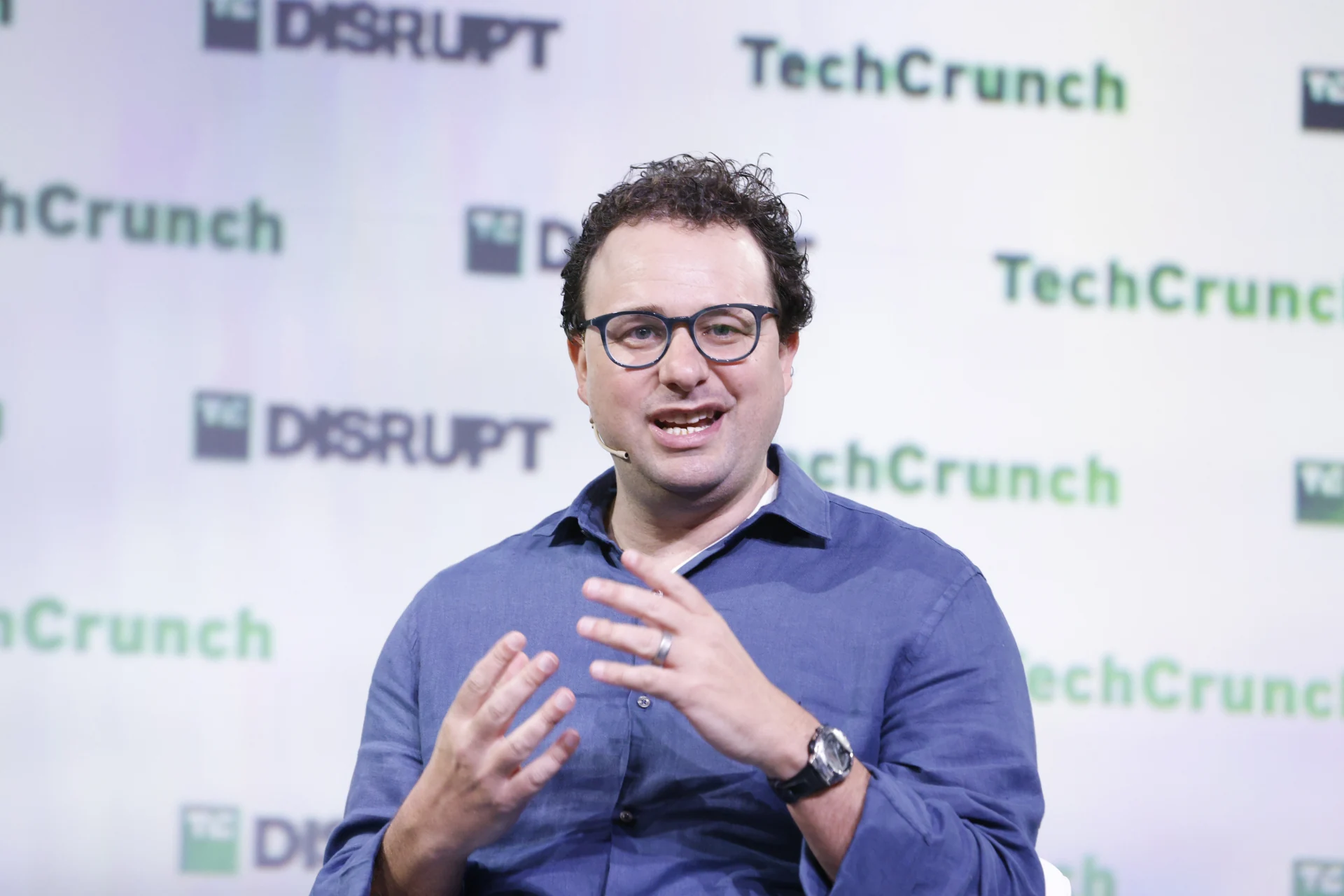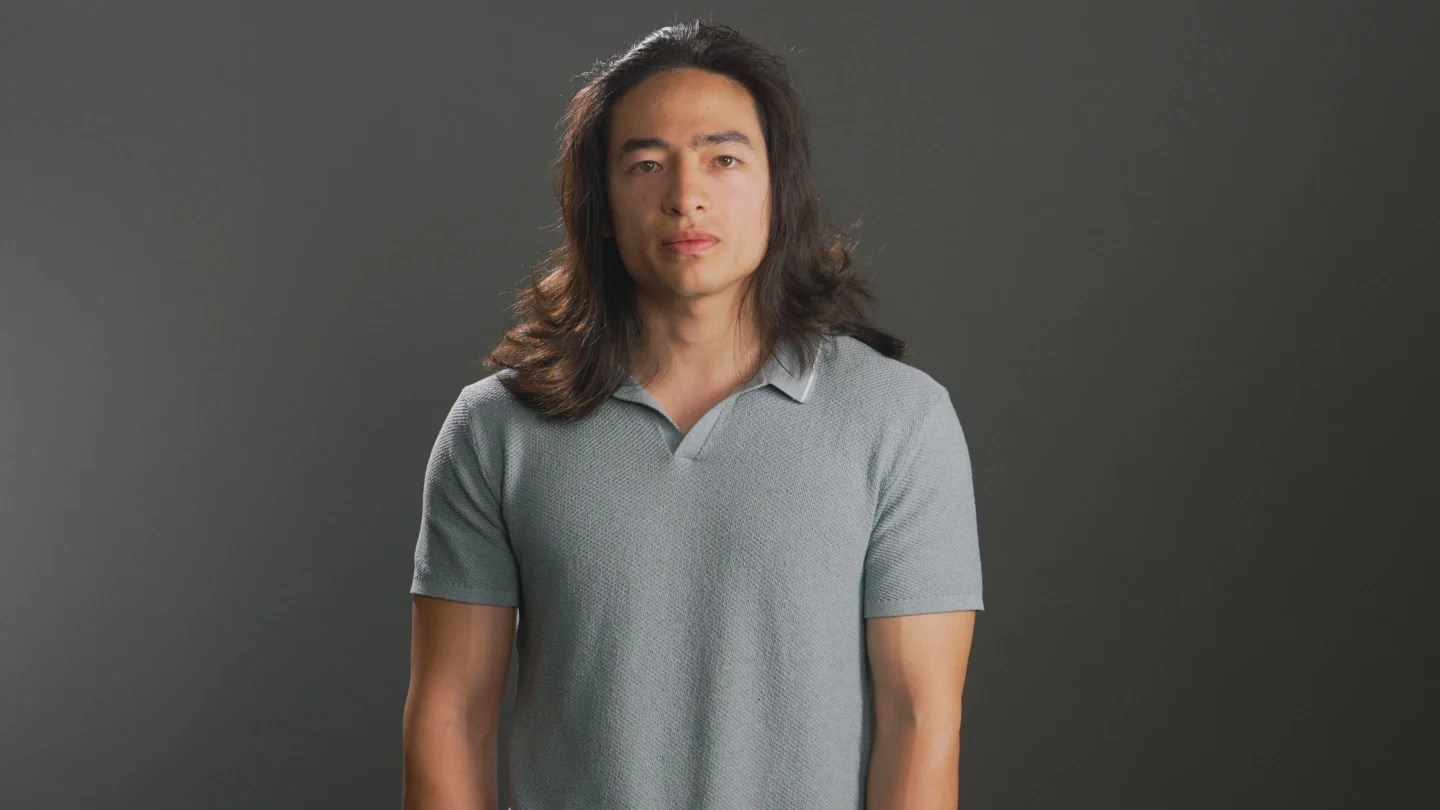
The quote is real, but the viral clip leaves out what came next. In a 63-minute interview that Palisade Research published on YouTube on Sunday, Nov. 15, Tao Lin, a researcher at Anthropic, said: “I think that it’s very likely that pretty much all humans on Earth will become permanently unemployable and will need to strictly rely on government welfare to sustain themselves and human employment will go away.” A 16-second excerpt has spread across X since Tuesday, Nov. 17. It stops there. The interviewer then added, “and like within the next 15 months,” and Lin said, “No.”
So Lin was not saying all humans would be unemployable within 15 months, though he gave no date for the job losses he called most predictable. He expected “a large gap” between AI gaining the capability “to replace all humans in all roles” and actually doing so, partly because the world would first need “billions of robots with which to displace physical laborers.”
The clip was posted by jesse (@jessexai_), an AI news account, and had more than 2.2 million views by Wednesday. Its opening line dropped Lin’s “very likely” and added “because of AI,” which fits: AI was his subject throughout.
Who Tao Lin is
“I work at Anthropic. I’ve worked there for about a year and a half,” Lin says at the start. He has worked on AI control, checking that models running inside a company are not trying to copy themselves out or deceive staff. He now works on safeguards, which screens requests to Anthropic’s Claude models and blocks help with bioweapons or hacking.
The interview is part of From Inside AI, a project of Palisade, a nonprofit that warns about the dangers of advanced AI. Its site says those who agreed to talk were “disproportionately employees on safety teams, people who are more concerned about the risk.” It releases every video under a Creative Commons license and tells viewers: “Clip away!”
What Tao Lin said in full
The jobs passage comes about 15 minutes in, after Lin is asked how AI would affect an average American town. He put “maybe a like 20% chance or something” on AI eventually removing humanity “from the equation.” The most predictable effect, he said, was “everyone losing their current jobs,” moving briefly to other work and later becoming “completely unemployable.” Asked if that was very likely, he gave the answer in the clip.
Lin’s other forecast concerns capability, not jobs. Lin said he has “timelines of something like 1.3 years to getting broadly superhuman AI,” or the “end of 2027,” meaning AI “as good as or better than the best expert at almost every field.” The interviewer’s 15-month figure appears to track that forecast. Lin’s answer separated what AI can do from what it will do. Not every retelling did. On Wednesday, the news app Inshorts ran the headline “All humans to become unemployable as superhuman AI arrives in 15 months.”
Palisade Research’s full interview with Tao Lin, published November 15, 2026. The jobs passage begins about 15 minutes in.
Anthropic Researcher: "Pretty Much All Humans Will Become Permanently Unemployable" on YouTube“People should be angry at me and everyone else developing AI,” Lin said, and he urged companies to slow research “to something like one quarter of its current rate.”
Other insiders’ warnings are circulating. Paul Christiano, who ran alignment research at OpenAI, said in an interview published Monday that the risk of an AI takeover or loss of human power within a year looked “more like a 10% risk than a 1% risk.” A 2023 clip of Anthropic’s chief executive, Dario Amodei, on open AI models no company can recall also resurfaced.
What Anthropic says about AI and jobs
SnowRock found no public statement from Anthropic on the clip as of Wednesday afternoon. Its latest announcement, on Nov. 10, launched the roadshow for its proposed initial public offering. Lin described warning the public as “a little bit outside of my main work.”
Amodei’s own warnings have been blunt. In May 2025, he told Axios that AI could wipe out half of all entry-level white-collar jobs and push unemployment to 10 to 20 percent within one to five years. In an essay this January, he wrote that some readers “thought I was claiming AI is displacing jobs right now (which I agree it is likely not).”

Anthropic’s economists see a job market bent but not broken. A March company study found “no systematic increase in unemployment for highly exposed workers since late 2022,” though the rate at which workers aged 22 to 25 found jobs in exposed occupations fell 14 percent, a result it called “just barely statistically significant.” In July, Anthropic’s chief economist, Peter McCrory, wrote in a personal post, “In my view, AI has caused no material increase in the unemployment rate to date.”
The company’s own staff expect more. In October, Anthropic reported that over half of its employees expect AI to be able to do at least 80 percent of their current work by 2030, compared with 5 percent of US workers, and that it “has been hiring for a smaller share of junior technical positions.” Its June survey of Claude users found them more worried about job loss for junior colleagues than for themselves.
What US unemployment data show
Lin pointed to employment numbers that he said show the US economy “rapidly becoming more capital-based.” National data show no sign of mass unemployment so far. The Bureau of Labor Statistics reported on Nov. 6 that unemployment was 4.1 percent in October, with employers adding 165,000 jobs. Among 20- to 24-year-olds it was 7.5 percent, down from a September spike of 8 percent but above the 7.1 percent of June through August.
Forecasts and measurements of AI and unemployment
| Source | Type | What it says | Period |
|---|---|---|---|
| Tao Lin, Anthropic researcher (Nov. 2026) | Forecast | Very likely that nearly all humans become permanently unemployable | No date; said “No” to “the next 15 months,” citing the time needed to build robots |
| Dario Amodei, Anthropic CEO (May 2025) | Forecast | Half of entry-level white-collar jobs could vanish; unemployment of 10% to 20% | One to five years |
| Anthropic labor study (March 2026) | Measurement | No systematic rise in unemployment for highly exposed workers | Since late 2022 |
| Peter McCrory, Anthropic chief economist (July 2026) | Assessment | No material increase in unemployment from AI | To date, as of July 2026 |
| Bureau of Labor Statistics | Measurement | Unemployment 4.1%; ages 20 to 24 at 7.5% | October 2026 (released Nov. 6) |
Forecasts and measurements answer different questions and cannot be compared directly.
Sources: Palisade Research interview, Axios, Anthropic, Bureau of Labor Statistics.

What we expect next
Prediction: the 16-second version will keep outrunning the hour-long one. Palisade’s license invites clipping, and as of Wednesday the post carried no Community Note. A note, or a widely shared cut that includes the “No,” would weaken this forecast.
Prediction: the Dec. 4 jobs report will not show an AI-driven break. National unemployment has stayed between 4.1 and 4.2 percent since July, and Anthropic’s researchers find no systematic AI effect yet. A sustained rise among workers in their early 20s, or research tying job losses to AI, would cut against this forecast.
Common questions
Did an Anthropic researcher say all humans will become permanently unemployable?
Yes. Tao Lin, an Anthropic researcher, said in a Palisade Research interview published November 15, 2026, that it is “very likely that pretty much all humans on Earth will become permanently unemployable,” but answered “No” when the interviewer asked about “the next 15 months.”
Did Tao Lin say humans would be unemployable within 15 months?
No. The viral 16-second clip ends before the interviewer added “and like within the next 15 months” and Lin answered “No,” saying he expects a large gap between AI being able to replace all humans and actually doing so.
Who is Tao Lin at Anthropic?
Tao Lin is an Anthropic researcher who works on safeguards, the team that blocks harmful requests to Claude, and says in the Palisade interview that he has been at the company about a year and a half. He is not the novelist of the same name.
When does Tao Lin think AI will replace human jobs?
Tao Lin gave no date for AI replacing human jobs. He said he expects a large gap between AI being able to replace all workers and actually doing so, partly because building enough robots to displace physical laborers will take time.
What did Tao Lin say about a 20% chance of AI removing humanity?
Tao Lin put “maybe a like 20% chance or something” on AI eventually removing humanity “from the equation,” in the answer that led to his jobs prediction. In the same answer he said he did not think direct human extinction was that likely.
What is Tao Lin’s timeline for superhuman AI?
Tao Lin’s timeline is about 1.3 years, or around the end of 2027, for what he called broadly superhuman AI: systems as good as or better than the best expert at almost every field. That is a capability forecast, not a jobs forecast.
Where can I watch the full Tao Lin interview?
Palisade Research posted the 63-minute interview on YouTube on November 15, 2026, and on its From Inside AI site. The jobs passage comes about 15 minutes in, and the video is licensed under Creative Commons Attribution 4.0.
Who posted the viral Tao Lin clip?
The X account jesse (@jessexai_) posted it on November 17, 2026, with a caption whose opening line dropped Lin’s “very likely” and added “because of AI.” It had more than 2.2 million views by November 18.
Has Anthropic responded to Tao Lin’s comments?
SnowRock found no public statement from Anthropic on the clip as of November 18, 2026. In the interview, Lin described warning the public about AI as something he does outside his main work.
What has Dario Amodei said about AI and jobs?
In May 2025, Anthropic’s chief executive warned that AI could wipe out half of entry-level white-collar jobs and push unemployment to 10 to 20 percent within one to five years. In a January 2026 essay, he agreed that AI is likely not displacing jobs right now.
Will AI make all humans unemployable?
That is a forecast, not a measured trend: Tao Lin called it very likely without giving a date, while US unemployment was 4.1 percent in October 2026. Anthropic’s March 2026 study found no systematic rise in unemployment among the workers most exposed to AI since late 2022.
Is AI causing unemployment right now?
AI has not measurably raised national unemployment so far. Anthropic’s March 2026 study found no systematic rise in unemployment for highly exposed workers since late 2022, and its chief economist, Peter McCrory, wrote in July 2026 that AI had caused no material increase in the unemployment rate.
What was the US unemployment rate in October 2026?
The US unemployment rate was 4.1 percent in October 2026, according to the Bureau of Labor Statistics report released November 6, with 165,000 jobs added. The next report is scheduled for December 4.
What do Anthropic employees expect AI to do to their jobs?
In a survey Anthropic published October 16, 2026, over half of its staff said they expect AI to be able to do at least 80 percent of their current work by 2030, compared with 5 percent of US workers.
What is Palisade Research?
Palisade Research is a nonprofit that studies the risks of advanced AI and says its mission is to help people and institutions “build the understanding needed to avoid permanent disempowerment by strategic AI agents.” Its From Inside AI project interviews current and former employees of OpenAI, Google DeepMind and Anthropic, and says its interviewees skew toward safety teams.