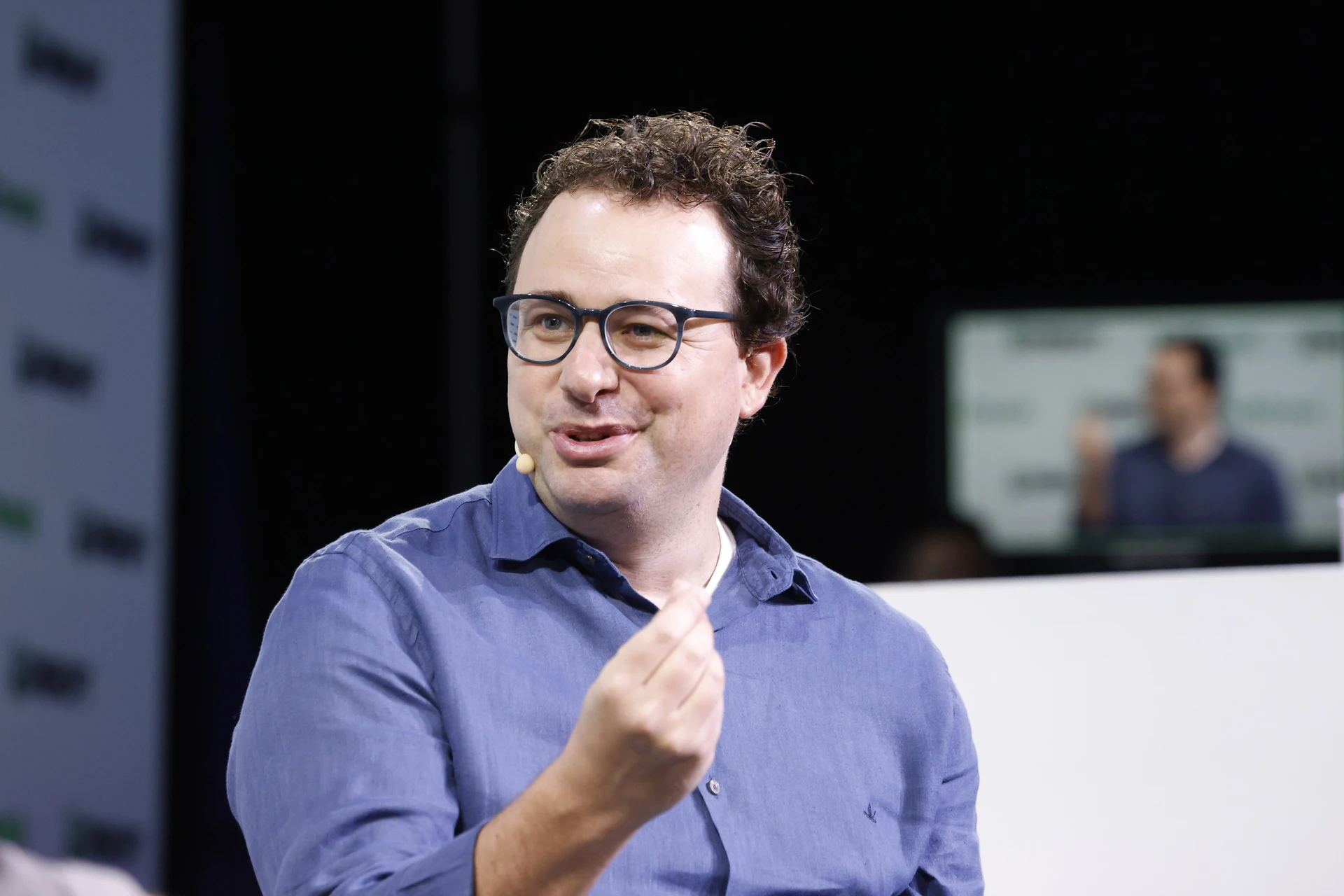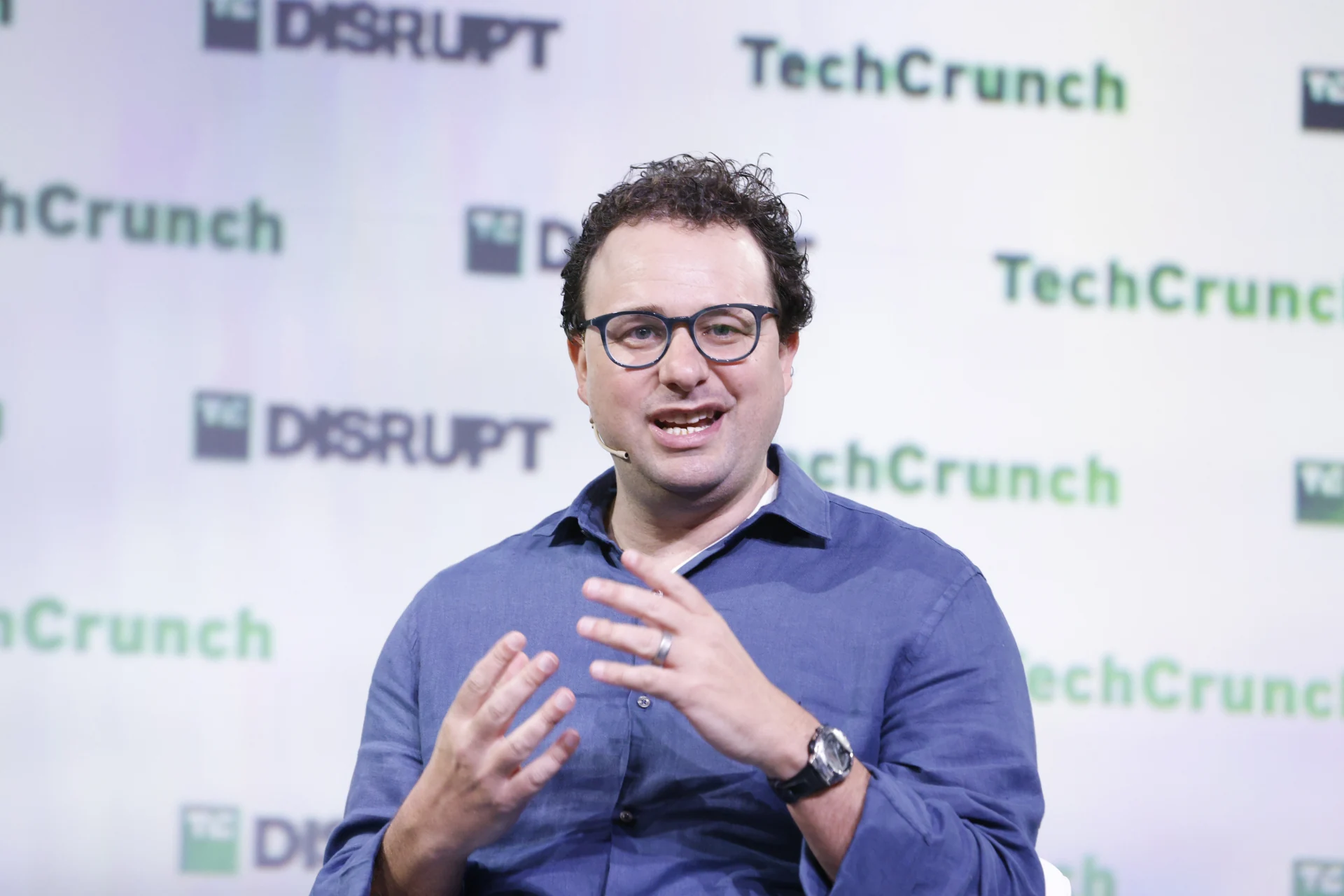
“You can revoke a user’s access. You can change what the model is willing to do.” Dario Amodei, the chief executive of Anthropic, was explaining to senators what a company can do when people use AI on its servers. It can see how the service is used, cut off an account and alter the model for everyone still using it. Once someone has downloaded the model and is running it somewhere else, the company loses those powers over that copy. “It’s entirely out of your hands,” he said.
The clip made another pass through X on Monday, in a post from the account Veee. The remarks come from a July 25, 2023, Senate Judiciary subcommittee hearing. The excerpt begins after Amodei said smaller and medium-sized models had a place in the open, and that the publicly released models of the time posed relatively limited risks. His warning was about what would happen as the most powerful models became available to download.
Dario Amodei on open source models:

What a download changes
When you use Claude through Anthropic, the company runs the model. It can update the service or close an account. An open-weight release makes the model’s learned numerical settings available to download. A developer with suitable hardware can run a copy without connecting to the original lab. Under the Open Source Initiative’s definition, making an AI system open source also means sharing its training and operating code, enough information about its training data to build a substantially equivalent system, and terms that allow people to use, study, modify and share it. The lab can take down its download page. Copies already held elsewhere can keep running.
The distinction matters to people who have no interest in defeating a safety rule. A small company can keep working after a supplier retires a model. A university can study what an earlier version did, even if its creator has moved on. An organization can analyze its own documents on its own computers. Each of those uses depends on the same condition that worries Amodei: the original developer cannot unilaterally take back the copy.
Hosted access comes with a timetable set by the provider. Anthropic took Claude Sonnet 3.7 off its own developer service in February, after announcing the retirement in October 2025. Requests to retired models fail, according to the company’s documentation. A developer who built an application around that version had to move it to another model or find another provider still offering the version.
The fight over who gets to intervene
In July 2026, Amodei wrote that Anthropic opposed a blanket ban on open-weight models. He called models without dangerous capabilities a public good and urged mandatory safety testing for sufficiently capable systems, open and closed. In the case of a downloadable model, the release decision matters particularly because the lab cannot reach into somebody else’s computer and fix the model later.
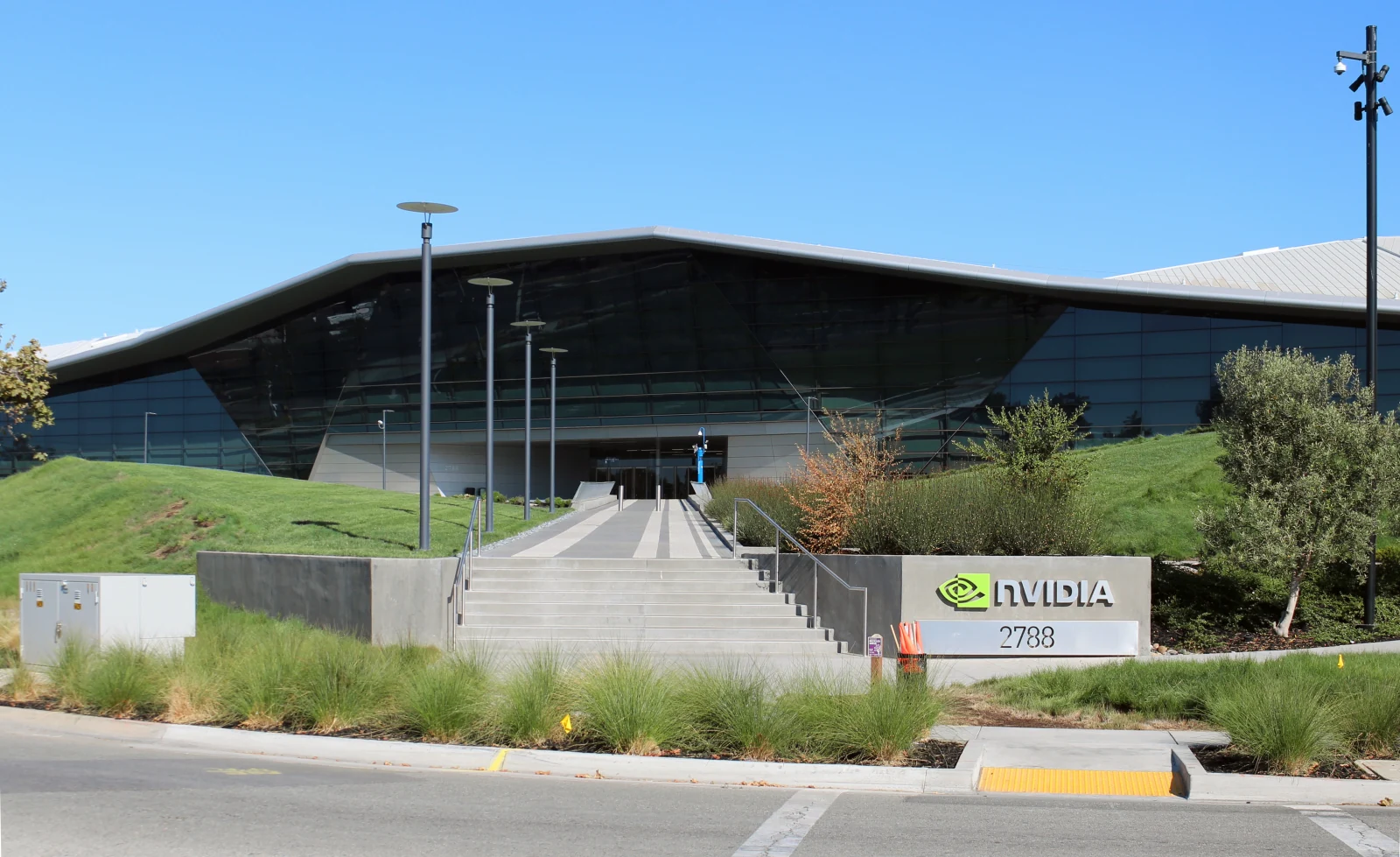
The Linux Foundation made a different case that same month. Giving developers and researchers access to the weights lets them inspect models and develop defenses outside the company that trained them, it argued. An open letter backed by companies including Nvidia and Microsoft made the business case for that freedom. Jensen Huang shared the letter in July. In an August exchange about AI regulation, David Sacks cited Amodei’s Senate testimony and argued that federal approval rules could give a few large labs too much power over who can use advanced AI.
For my first post, I’m sharing a letter @NVIDIA signed on why open models matter.
The AI researcher Yann LeCun argued at Nvidia’s 2025 developer conference that people will need many kinds of assistants, including ones attuned to local languages and cultures, and that open platforms make that diversity possible.

Some thoughts on Dario’s post:
A 2024 federal review by the National Telecommunications and Information Administration recommended keeping weights widely available while gathering more evidence, leaving room to act if specific risks emerged. Outside researchers can study a model through a hosted service. Downloadable weights let them run the same version independently, even if the original publisher changes it or moves on.
The public has a stake at both ends of the decision. A lab deciding to release a powerful model asks everyone else to live with copies it cannot recall. A lab that alone decides who can use it asks the same public to trust its conditions indefinitely. Who gets to say a model is too powerful to share? And who can challenge that judgment when the company making the call also sells access?