A tanker struck the docked American Heritage in New Orleans on Friday, November 13, forcing a rescue from a passenger ship that took on water and overturned. City officials estimated 180 to 190 people were aboard. All involved were accounted for, no deaths were reported and 32 people were taken to hospitals, none with critical injuries.
The collision happened around 12:30 p.m. Central, according to a Port of New Orleans statement quoted by WVUE and Gray News. The riverboat had docked about two hours earlier to begin disembarkation. Passengers were being brought into the port’s administration building after the impact.
Port officials counted about 129 passengers in addition to crew. Mayor Helena Moreno’s estimate of roughly 180 covered everyone aboard. The Associated Press reported that dozens were rescued from the water, with tugs, workers, police and other responders helping. The mayor called the rescue “a miracle on the Mississippi.”
The mayor’s preliminary account pointed to an apparent loss of steering by Atlantic Asphalt. Investigators still need to establish what failed and how the tanker approached an occupied berth. American Heritage was already alongside when it was struck, with passengers beginning to leave after their voyage.
VesselFinder lists Atlantic Asphalt at 160 meters long, about 525 feet. Marine insurer Gard identifies it as a Marshall Islands-flagged asphalt tanker built in 2017, owned by Nave Shipping S.A. Its international vessel identification number is 9798428.
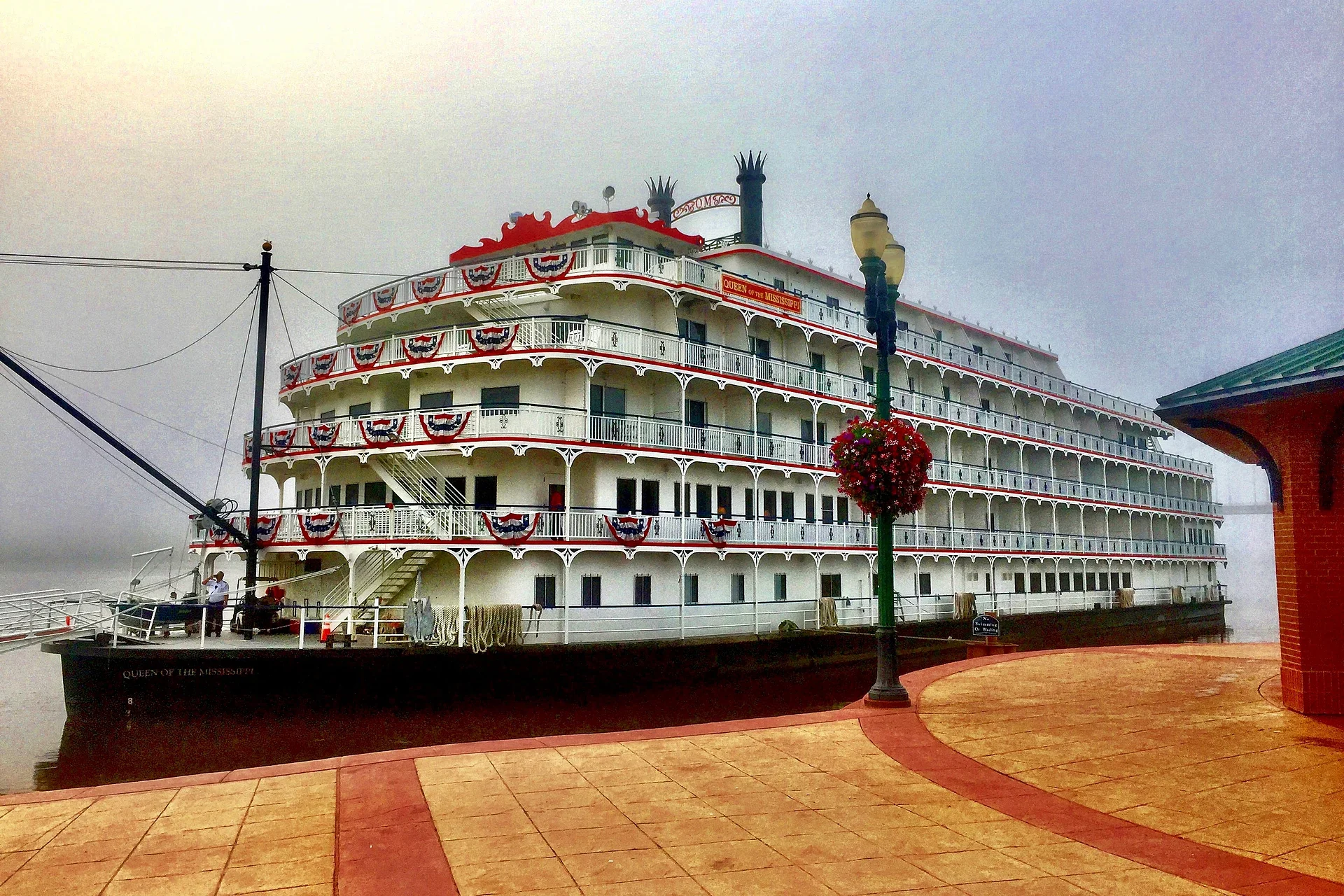
American Cruise Lines identifies American Heritage as the former Queen of the Mississippi. Port NOLA lists it as a 150-passenger vessel offering river itineraries. Advertised passenger capacity excludes crew, which helps explain why an estimate of everyone aboard can exceed the number of passenger places. The port’s Friday count separately identified passengers and crew.
The collision also interrupted commercial navigation. At 3:31 p.m. Central, the Coast Guard announced that the Mississippi River was closed to all vessel traffic between miles 93 and 96 while responders assessed the situation and conducted operations. That notice covered a defined stretch of river near the collision, rather than every berth and route served by the port.
U.S. navigation rules require several safeguards for covered commercial vessels before they get underway. Section 164.25 calls for tests of primary and secondary steering, controls at different steering positions, rudder movement and indicators, alarms and communications linking control stations. It also addresses emergency power and propulsion checks. The general testing window is within 12 hours before entering or getting underway in U.S. navigable waters, subject to specified exceptions.
The same section requires emergency steering drills and records of those drills. A drill is generally required within 48 hours before entry unless performed regularly at least once every three months. They include operating from the steering-gear compartment, communicating with the bridge and using alternative power where fitted. Atlantic Asphalt’s test results, drill log and equipment findings were not available in the reporting reviewed for this article; no regulatory breach has been established.
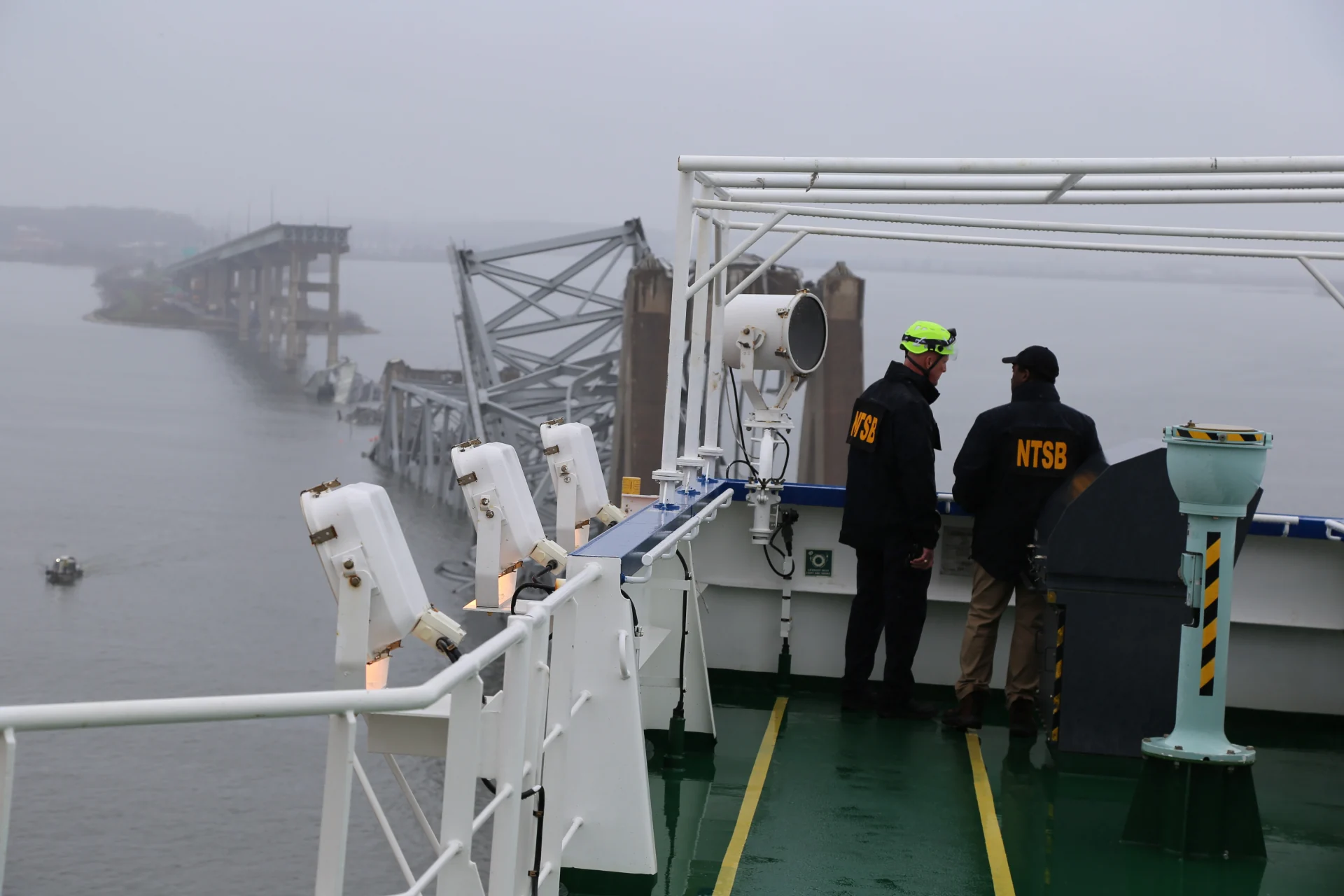
The National Transportation Safety Board changed its deployment plan late Friday. Residual flight delays meant investigators would travel to New Orleans by ground, without a board member, the agency said. It planned no media briefings and directed readers to its newsroom account and investigation page for updates.