Flight delays disrupted the federal response to a separate transportation accident in New Orleans. Late Friday, November 13, the National Transportation Safety Board said investigators heading to a tanker collision would travel by ground because of residual delays from the nationwide flight halt. It would no longer send a board member.
The change replaced an earlier plan to have specialists arrive Saturday morning, with board member John DeLeeuw serving as spokesperson on scene. The agency’s newer statement, posted at 10:38 p.m. Eastern Friday, gave no replacement arrival time. It said no media briefings were planned and that updates would appear on its newsroom account and investigation page.
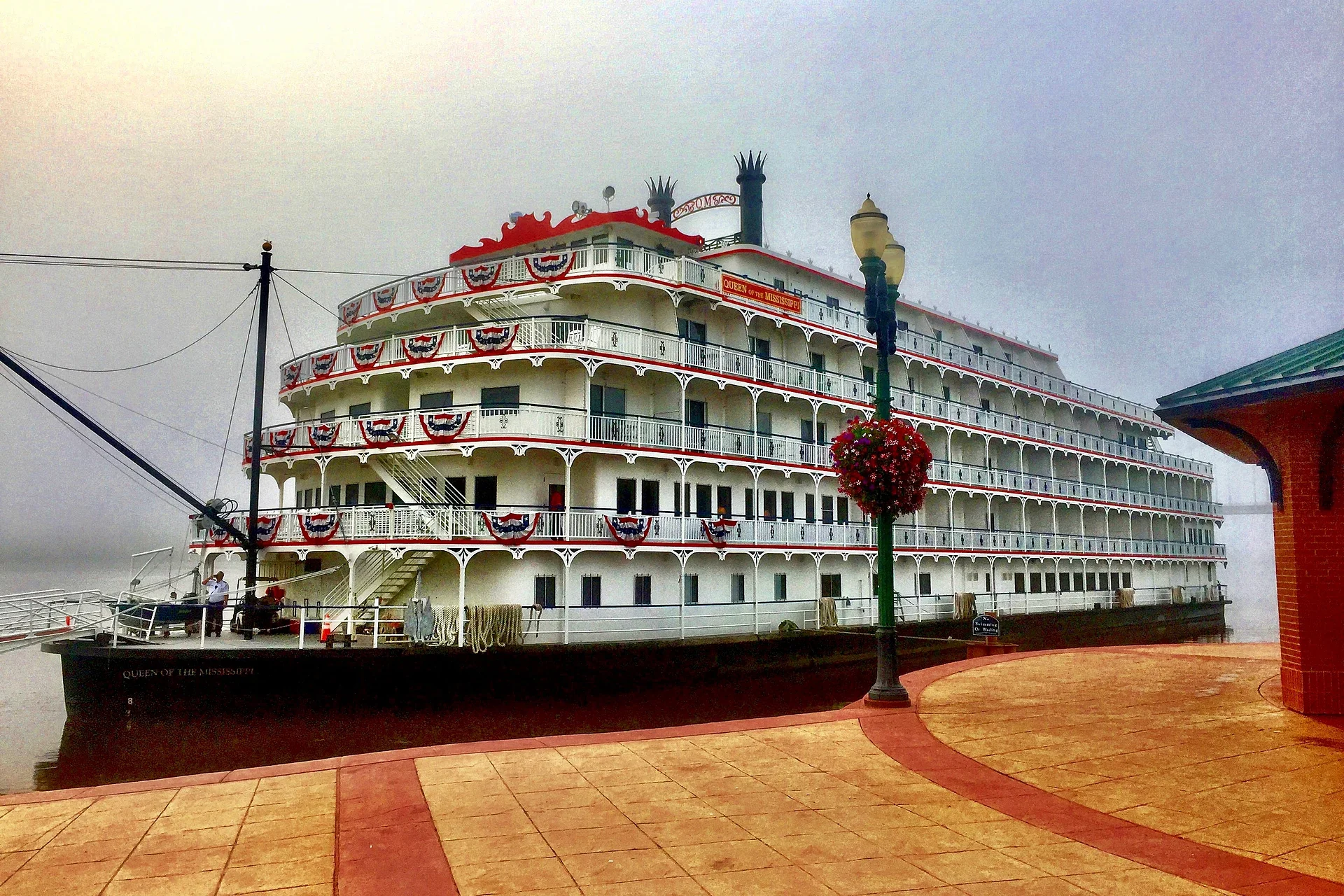
Atlantic Asphalt struck American Heritage while the riverboat was docked. A Port of New Orleans statement quoted by WVUE and Gray News put the collision around 12:30 p.m. Central. American Heritage had tied up about two hours earlier to begin disembarkation, placing the tanker’s approach to an occupied berth at the center of the inquiry.
Coast Guard Capt. Melanie Burnham said it appeared there had been some loss of steering, but the exact cause was unknown, the Associated Press reported. Establishing when control was lost and why requires evidence from the ship and people operating it. NTSB lists the investigation, DCA27MM003, as ongoing.
The Coast Guard announced a closure to all vessel traffic between Mississippi River miles 93 and 96 at 3:31 p.m. Central Friday while responders assessed the situation and conducted operations. New Orleans officials said the Coast Guard would lead recovery and salvage work and evaluate safe reopening. No reopening had been established in the official statements reviewed for this article’s early Saturday reporting check.
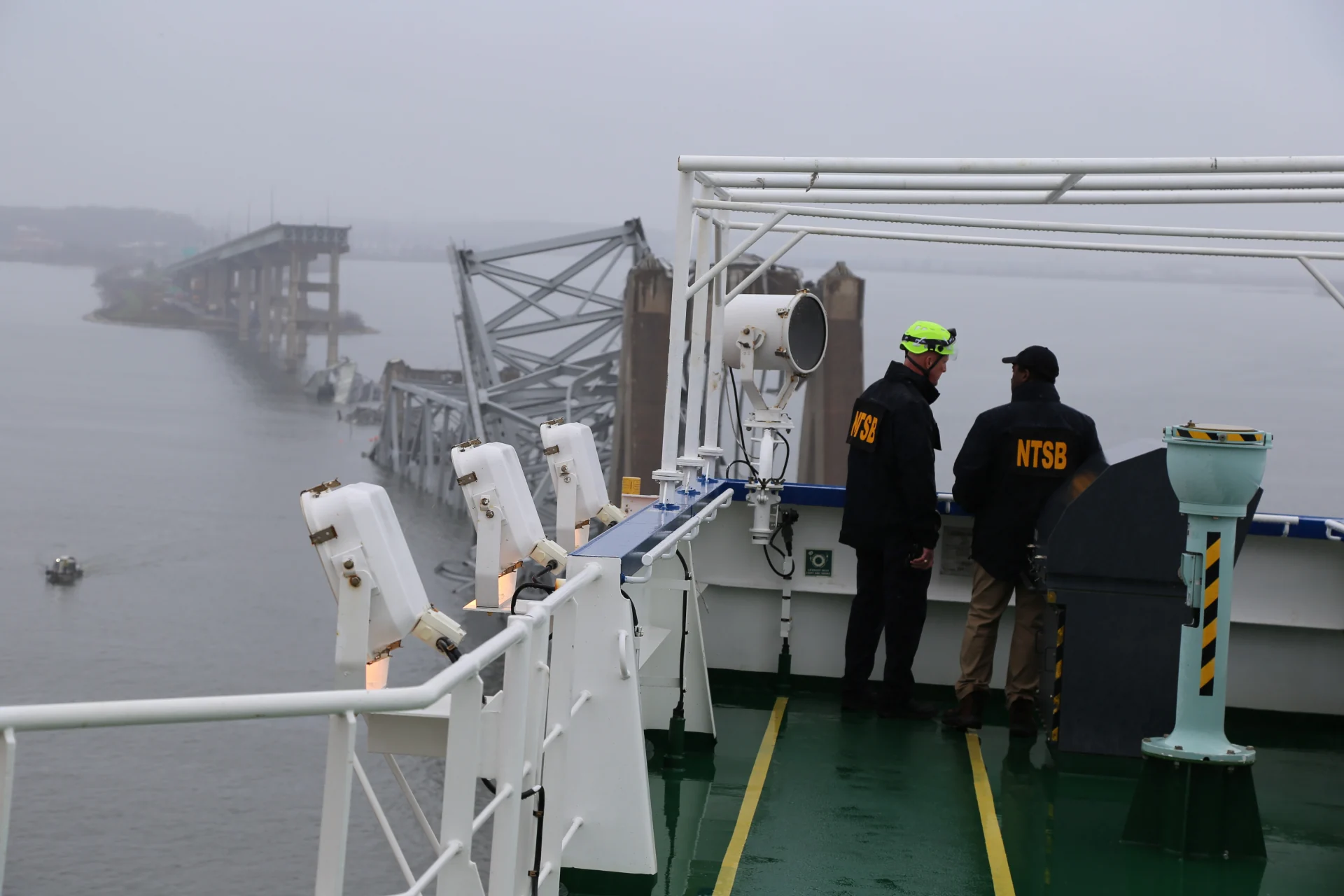
NTSB emergency teams bring technical specialists selected for an accident, led by an experienced investigator-in-charge. A board member can serve as spokesperson during a major launch.
For marine accidents, the Coast Guard typically leads an investigation while NTSB supports the safety inquiry, according to NTSB’s description of its process. NTSB’s eventual report is independent of Coast Guard reporting, and NTSB has no regulatory or enforcement power. Its safety findings can support recommendations, while a penalty would require a separate authority and process.
The inquiry can produce records that early rescue accounts cannot supply. NTSB’s marine guidance lists photographs, vessel logs, maintenance records and witness statements among material that may enter a public investigation docket. Those records can help reconstruct what crews knew, what commands they gave and how equipment responded. No Atlantic Asphalt maintenance record, steering test result or recorder finding has been released in the material reviewed here.
NTSB says it can manage access to an accident vessel and choose parties with relevant technical expertise to assist. Investigators do not determine cause while on scene. A preliminary report generally comes a few weeks after an accident and states initial facts. A final report or brief commonly takes 12 to 24 months, although safety recommendations can come sooner. Those are general time ranges, rather than deadlines announced for New Orleans.
NTSB’s case page identifies the accident as DCA27MM003 and lists its status as ongoing. No preliminary report or technical findings were posted in the material reviewed at 2:19 a.m. Eastern Saturday, November 14.