Apple blamed an internal update for service outages Tuesday that left customers struggling to sign into their accounts and load apps. The company said the disruption was not a cyberattack. By 8:31 p.m. ET, its consumer status feed listed no ongoing incidents. App Store Connect still had open outage records, leaving developers waiting after customers had regained access.
During the first wave of complaints, Apple’s public status page still showed some affected services working normally, according to MacRumors and 9to5Mac. Customers reported unexpected sign-outs and failed attempts to get back in. An account that normally makes an iPhone feel effortless had become an obstacle between its owner and the services on it.
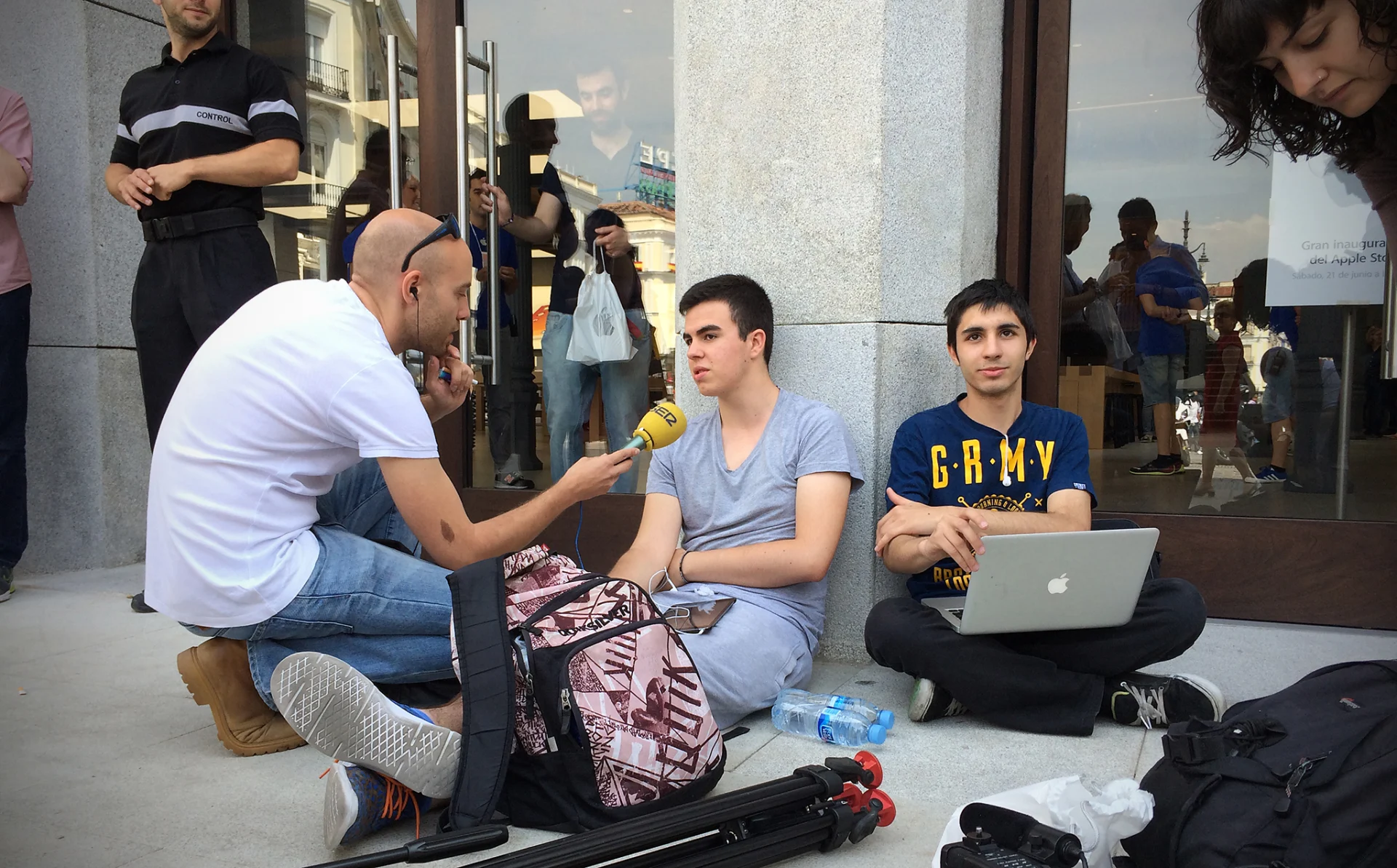
Will Huff, posting from an Apple Store, described trouble on the employees’ side of the counter too. “Employees cannot log in,” he wrote in a post reproduced by International Business Times. His account offers a glimpse of one store; Apple has not confirmed the full extent of the reported retail disruption.

Apple services recovered at different times
App Store complaints began rising around 11:42 a.m. ET, according to Downdetector’s timeline cited by Digital Trends. By about 1:10 p.m., Apple’s status page had acknowledged failures, including iCloud Account & Sign In, the App Store, Apple Music and AppleCare on Device. Apple subsequently told the Associated Press that an internal update had caused some outages and that many systems had recovered. A spokesperson told CBS News that the problems were not the result of a cyberattack.
Apple’s service-by-service record shows why recovery took longer for some customers. At 4:41 p.m. ET, its consumer feed still listed iCloud Account & Sign In and iCloud Web Apps as affected. Both were marked resolved by the 4:48 p.m. check, alongside the App Store and an AppleCare purchasing incident. The remaining consumer-feed issues had cleared by 7:18 p.m.
At 8:31 p.m., Apple’s developer feed still carried two open outage records for App Store Connect. Both had been updated at 8:23 p.m. Other developer services that had remained affected earlier were now clear. A recovered store on someone’s phone did not mean every service used to run an app business had recovered with it.
The broader picture circulating online needs a separate reading. The Hormuz Letter’s breaking post listed Apple Card, Apple Support, Sign in with Apple and Apple Pay among user reports during the disruption. Those items should not be folded into Apple’s confirmed outage list. The post records the spread of complaints at the time, rather than the current state of Apple’s services.
Downdetector records submitted complaints. Its surges cannot establish how many customers lost access or which underlying component failed. Reports of activation trouble and retail problems likewise leave their full extent unconfirmed.

What Apple’s update leaves unexplained
Apple’s statement identifies work inside its own systems as the cause. Its public explanation leaves several operational questions open. What was being updated? What checks preceded the change? Why did sign-in remain affected after the App Store returned, and why did the public status page lag the first wave of complaints? The statements reviewed for this article supply no detailed technical account.

Apple customers already accept that different devices and services depend on a common account. Tuesday demonstrated the inconvenience when access becomes unreliable. Public reporting does not establish that every affected service failed through the same component. Apple can explain those dependencies without disclosing private customer information, and give people a clearer record of what it knew while they were trying to get back in.
The interruption followed a run of American technology failures. The FAA’s nationwide departure stop disrupted travel Friday. Chase and United Airlines reported separate problems Monday. On Tuesday, the NSA acknowledged degradation during routine maintenance. No evidence reviewed for this story connects Apple’s update to those incidents. The explanations so far identify different systems and different responsible institutions.
What we expect next
We expect further recovery notices to focus on App Store Connect, because it remains listed as affected after other services cleared. Restored consumer access should reduce complaints; continued disruption to developer tools would prolong the business consequences. Apple has explained the broad cause. Its next meaningful disclosure would describe the failed update and the checks that let it interrupt services.
Common questions
What caused the Apple outage on November 17, 2026?
Apple told the Associated Press that an internal update caused some service outages on November 17. It has not published a detailed technical explanation in the statements reviewed here.
Was Apple hit by a cyberattack?
An Apple spokesperson told CBS News on November 17 that the service problems were not the result of a cyberattack.
Is iCloud sign-in working again?
Apple’s consumer status feed marked iCloud Account & Sign In resolved by the 4:48 p.m. ET check on November 17. It had still been listed as affected at 4:41 p.m.
When did the Apple outage start?
Downdetector’s App Store timeline, reported by Digital Trends, showed complaints rising around 11:42 a.m. ET on November 17. That is a report time for one service, not an established start time for every Apple disruption.
When did the App Store recover?
Apple’s status feed marked the App Store incident resolved by the 4:48 p.m. ET check on November 17.
When did AppleCare on Device recover?
By 4:48 p.m. ET on November 17, Apple’s status feed marked its AppleCare purchasing incident resolved. The incident description concerned purchasing AppleCare, rather than every AppleCare function.
Why did customers see Verification Failed errors?
Customers reported failed sign-ins and verification errors during the November 17 disruption. Apple acknowledged a sign-in issue but has not explained the technical cause of each error.
Did Apple confirm an Apple Pay outage?
Apple Pay complaints appeared among November 17 user reports. Those complaints alone do not establish an Apple-confirmed payment-system outage.
Were Apple retail stores affected?
Will Huff described employees unable to log in while he was at an Apple Store on November 17. Apple has not confirmed the full extent of the reported retail problems.
Had iCloud services recovered by Tuesday evening?
Apple’s consumer feed listed no ongoing incidents at 8:31 p.m. ET on November 17. Its iCloud Account & Sign In and iCloud Web Apps incidents had been marked resolved by the earlier 4:48 p.m. check.
Did the outage affect app developers?
At 8:31 p.m. ET on November 17, Apple’s developer feed still showed two open App Store Connect outage records. Other developer services affected earlier had cleared.
How many Apple customers were affected?
No confirmed customer total was available in the November 17 reporting reviewed here. Outage-tracker complaint counts are not a count of all affected people.
Was the Apple outage connected to the NSA or airline disruptions?
No common cause was established in the reporting reviewed on November 17. Apple attributed its own incident to an internal update.
Where can customers check Apple’s current service status?
Apple publishes separate consumer and developer System Status pages. At 8:31 p.m. ET on November 17, the consumer feed was clear while App Store Connect still had open outage records.