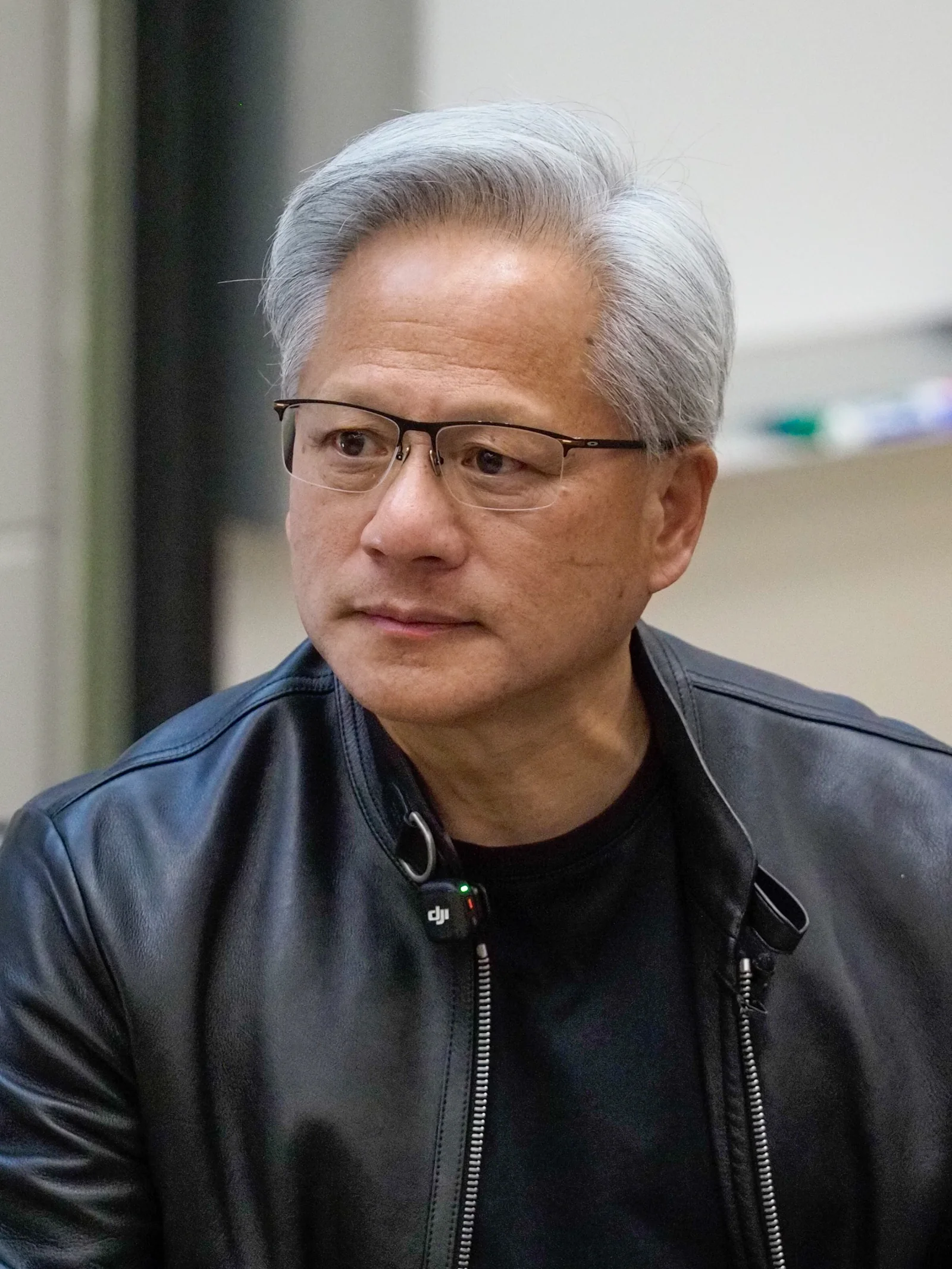
Nvidia’s board said Sunday it had opened an independent investigation after news reports said foreign intelligence had targeted Jensen Huang, its founder and chief executive. A committee of independent directors will oversee the inquiry with help from outside lawyers. The board said it had no reason at that point to believe Nvidia’s secrets or U.S. national security had been compromised.
On Nov. 6, The New York Times reported that a memo circulated among U.S. officials cited intelligence that China’s Ministry of State Security had recruited Alice Huang, who ran Singapore-based Nvidia customer Megaspeed, to gather information on Jensen Huang. On Monday, Chinese Foreign Ministry spokesperson Guo Jiakun called the spying allegation unfounded and said it was intended to smear China.
In an email Nvidia made public Sunday, Jensen Huang acknowledged an affair and said he would cooperate fully with the inquiry. He did not identify the other person in that email. Nvidia’s board said it continued to have confidence in Huang and his leadership team.
How Nvidia’s board will oversee the inquiry
Huang sits on Nvidia’s board. In its May proxy statement, which gives shareholders information before the annual meeting, Nvidia identified him as its only director who did not meet Nasdaq’s independence standards. The filing says independent directors already meet quarterly without the CEO present. Nvidia’s full board oversees information security, and its audit committee reviews the company’s policies and safeguards and gets regular updates from the security team.
Sunday’s announcement gives a committee of independent directors responsibility for this specific inquiry. Nvidia said they would examine all available information. Nvidia gave no names for the committee or its outside lawyers, no timetable for the inquiry and no commitment to make the findings public.
What House committee chairs are asking for
On Nov. 4, the chairs of the House committees on China, foreign affairs and intelligence wrote to Huang asking for a private briefing on his interactions with Alice Huang and on Nvidia’s safeguards against foreign spying. Their letter points to concerns about China gaining access to sensitive U.S. technology and information. Nvidia makes processors used to train and run AI models, and U.S. rules restrict the export of some of its most advanced chips to China.
The chairs proposed Nov. 18 for the briefing. They asked Huang to accept that date or offer another day when Congress is in session by Nov. 11. Nvidia’s next scheduled public event for investors is its Nov. 17 earnings call. The company announced the call before opening the inquiry and has not said whether it will discuss the review there.