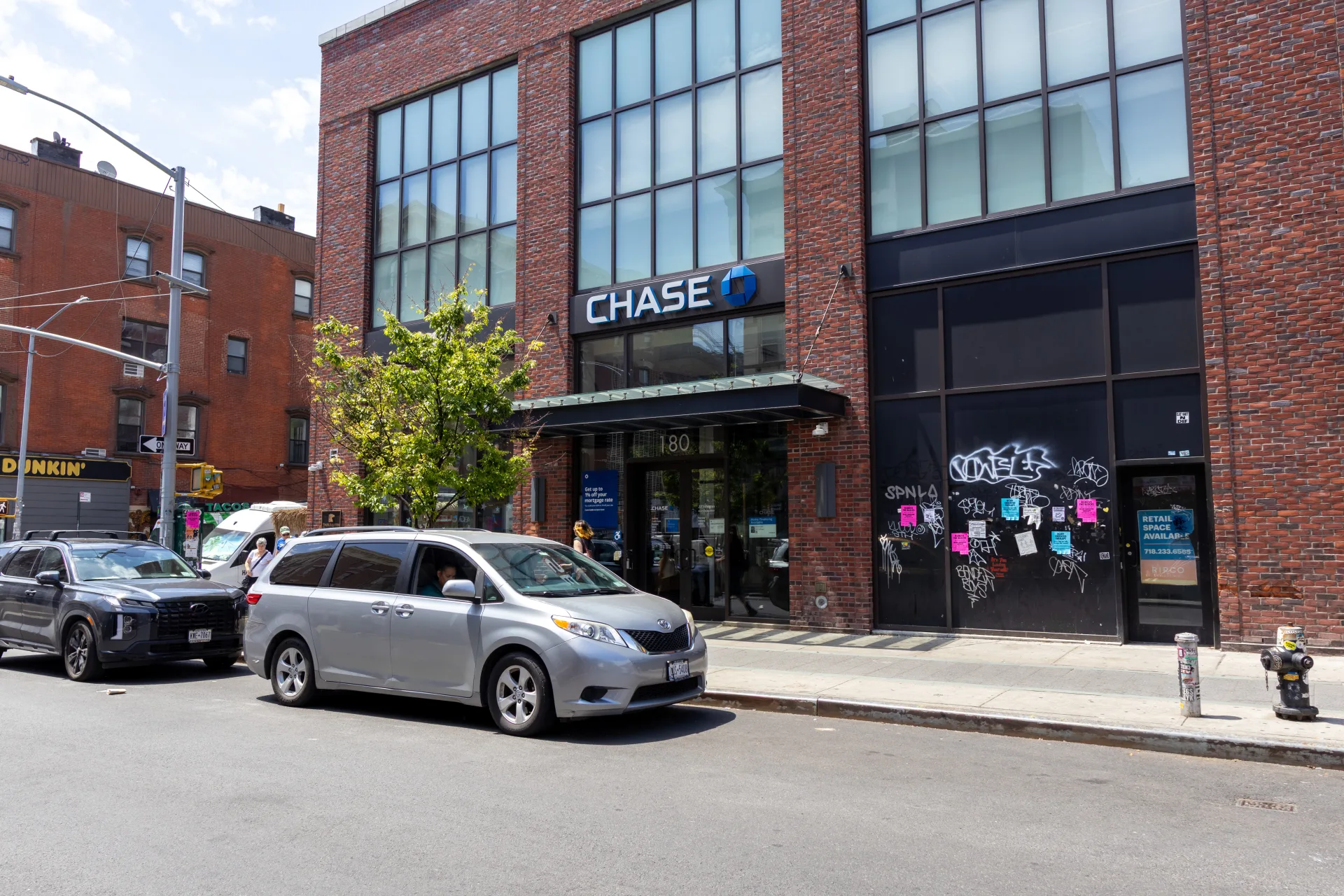
By lunchtime Monday, Mark Fitzpatrick was trying to get a cashier’s check from Chase. “Chase Bank just told me they can’t give me a cashiers check,” he wrote on X. Chase later told the Associated Press that a technical bug had slowed some transactions and that customers still had access to their accounts and funds. The bank ruled out a cyber incident. Fitzpatrick’s account describes the gap between having money in the bank and being able to use it in the form you need.
The trouble had surfaced hours earlier. Downdetector put the first Chase complaints at 9:53 a.m. Eastern. Plaid logged trouble connecting to the bank at 10:11. At 12:48 p.m., Chase Support told a customer on X that the bank appeared to be working on its online banking service. An hour later, the AP published the bank’s explanation. The public statements gave customers a reason for some delays without identifying which services were affected or how long the disruption would last.
NBC News reported trouble with online banking and at branches. One person who did get past the sign-in screen told Gizmodo they still couldn’t retrieve a routing number. The distinction matters to anyone trying to learn whether a delay is with the device in their hand or with a bank that has already accepted their instructions. An inaccessible website, a failed request at a branch and a slow transaction can all leave the customer waiting for the same answer.

When another app depends on the bank
Plaid supplies a connection between financial apps and their customers’ bank accounts. Its status notice said Chase’s downtime disrupted requests for data and the setup of new Chase connections. An app that needed to retrieve a fresh balance could encounter a problem without sending its customer anywhere near Chase’s website. A new customer trying to link an account could have trouble getting past that step.
That notice identified a specific dependency in a morning otherwise full of reports about which banks were down. Plaid knew requests involving Chase were affected. A budget app that relies on those requests can continue to open even if some of its information is out of date. How long the gap lasts depends in part on a bank its customers may not realize the app is trying to reach.

Four banks went into one alert
At 1:02 p.m., Insider Wire named Chase, Bank of America, Wells Fargo and U.S. Bank in a single nationwide alert. Downdetector collected reports for the banks separately. Its Chase map showed complaints around a number of cities, including Chicago, New York and Los Angeles. A spike counts the people who reported a problem. It cannot tell you whether their requests failed for the same reason.
#BREAKING: Chase, Bank of America, Wells Fargo and U.S. Bank hit by nationwide outage, users report.
At 2:04 p.m., Andrew Curran shared a chart showing a rise in Bank of America reports and described complaints about ATMs, transfers and accounts showing zero balances. Those wider claims remained unconfirmed in the bank statements reviewed for this article. Wells Fargo acknowledged trouble with online banking and said customers could use its ATMs, branches and phone service. U.S. Bank told Gizmodo its systems were unaffected and that some Zelle payments involving another bank could be delayed.
There is a developing situation with some U.S. banks. This is not yet confirmed as a cyberattack.
Chase later said a software bug in its own on-premises hardware had slowed transactions. Spokesperson Joe Evangelisti told the Associated Press that other banks could see delays on transactions that involved Chase. The bank expected to resolve the problem by the end of Monday, according to the AP’s 6:28 p.m. Eastern report. It gave no count of delayed transactions and had yet to confirm that normal processing had resumed.